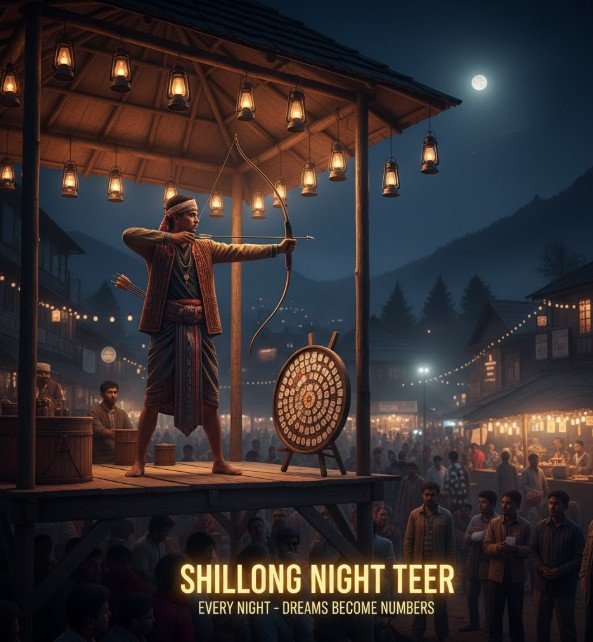
The Shillong Night Teer Archer: What Type of Wood Is It Made Of?
The Shillong Night Teer archer is more than just a person aiming at a target; it's a symbol of skill, precision, and tradition that has been nurtured over generations. If you've ever walked the streets of Shillong at night, you might have caught the distant thud of arrows hitting a target, a sound that carries stories, anticipation, and an unspoken connection to nature. But have you ever wondered what type of wood the Shillong Night Teer archer uses for their arrows?
Understanding this detail opens a window into the craftsmanship, cultural nuances, and the intimate relationship between the archer and their materials. In this article, we’ll delve deep into this fascinating subject, exploring not just the wood, but the culture and precision that make this tradition so remarkable.
Result of 28/10/2025
|
Shillong Night Teer |
|
|
F/R (8:30 PM) |
S/R (9:30 PM) |
|
40 |
03 |
The Heart of the Arrow: Choosing the Right Wood
When it comes to archery, the arrow is an extension of the archer. The Shillong Night Teer archer is particularly meticulous in selecting the right wood. The wood is not just any tree branch; it must be lightweight yet strong, flexible yet durable, and most importantly, it must resonate with the archer’s rhythm. Traditionally, woods like bamboo and certain hardwoods are preferred because they strike a balance between elasticity and sturdiness.
Bamboo, for instance, has a natural hollow structure that allows it to flex during the shot, absorbing shock and ensuring the arrow flies straight. Hardwoods, on the other hand, provide a dense core that ensures consistent speed and stability. For the archer, the feel of the wood in hand is almost like a handshake; it must align with their intuition and strength. The choice of wood becomes a deeply personal decision, one that is influenced by experience, the archer’s style, and even the weather conditions of Shillong.
Bamboo: Nature’s Gift to the Archer
Bamboo plays a starring role in the world of Shillong Night Teer. It’s lightweight, flexible, and abundant in the hills of Meghalaya, making it an ideal material. But beyond its practicality, bamboo carries a cultural symbolism. In local folklore, bamboo represents resilience and adaptability—traits that every archer embodies.
When preparing an arrow, the archer carefully selects bamboo stems that are straight and free of knots. This attention to detail ensures that the arrow’s flight is predictable and accurate. Once selected, the bamboo is cured and sometimes lightly smoked to enhance its strength. This process might sound simple, but it requires patience and a deep understanding of the material. Using bamboo is not just a matter of utility; it is a connection to the land, a way for the archer to carry a piece of Shillong’s natural beauty with every shot.
Hardwood Varieties: Strength Meets Precision
While bamboo is light and flexible, hardwoods like teak or ash offer robustness that some archers prefer. Hardwood arrows are particularly useful in situations where the target is at a greater distance, requiring more power and momentum. These woods are dense, making them slightly heavier but far more stable during flight.
The selection process for hardwood is rigorous. The archer looks for straight-grained pieces, free from cracks or imperfections. Then comes the meticulous shaping process, where the wood is carved and sanded to achieve the perfect balance. It’s a craft that blends precision with artistry. The difference in feel between a bamboo and hardwood arrow is palpable; one is a dance, the other a march. Each type of wood tells a story about the archer’s approach, their experience, and the challenges they embrace during the night Teer game.
Crafting the Arrow: More Than Just Wood
The wood is just the beginning. The Shillong Night Teer archer invests hours into crafting each arrow, ensuring that it responds perfectly to their draw. Fletching, nocks, and tips are carefully added, each element tailored to complement the chosen wood. For instance, a bamboo arrow might have lighter fletching to maintain its swiftness, while a hardwood arrow could carry slightly heavier feathers to stabilize its trajectory.
This meticulous crafting process also reflects the archer’s emotional connection to their equipment. Many archers will refuse to shoot an arrow if it feels imperfect in their hands. It’s almost as if the wood itself chooses the archer, responding to their intuition, experience, and subtle cues that come only from years of practice. This bond between human and material transforms every shot into a story—a small, quiet celebration of skill, patience, and harmony with nature.
The Science of Wood Selection
While tradition plays a huge role, science quietly governs the archer’s choices. The density, grain pattern, and moisture content of the wood influence the arrow’s speed, accuracy, and durability. Lightweight woods reduce fatigue over long shooting sessions, while denser woods provide stability against wind and distance.
Here’s a quick comparison of popular wood types used in Shillong Night Teer arrows:
|
Wood Type |
Weight |
Flexibility |
Ideal For |
Notes |
|
Bamboo |
Light |
High |
Short to medium distances |
Absorbs shock, easy to handle |
|
Teak |
Medium-Heavy |
Moderate |
Medium to long distances |
Dense, durable, stable |
|
Ash |
Medium |
High |
Medium distances |
Combines lightness with strength |
This table simplifies a complex decision-making process that each archer internalizes. Choosing the right wood is not a one-size-fits-all formula; it’s a delicate balance between physical properties and personal preference, a dance between the tangible and the intuitive.
Cultural Significance of the Wood
The wood used by the Shillong Night Teer archer is more than a functional material; it’s a vessel of culture and history. Each arrow carries centuries of local wisdom, passed down through families and communities. In Meghalaya, hunting and archery were once integral to survival, and even today, they retain ceremonial and symbolic value.
Selecting wood is intertwined with these cultural practices. Some archers believe that using locally sourced bamboo or hardwood strengthens their connection to the land and ancestors. Others see the choice as a spiritual ritual, honoring the forest that provides their material. In this way, the wood becomes a storyteller, carrying tradition, respect, and identity with each flight.
Personal Connection: The Archer and the Arrow
Ask any Shillong Night Teer archer, and they’ll tell you the same thing: the arrow feels like an extension of their own arm. The texture, weight, and even smell of the wood guide their instincts. This intimate connection is why the question of what type of wood is used is so compelling. It’s not just about technical efficiency—it’s about trust, comfort, and confidence.
Many archers recount stories of arrows that “choose” them, where certain pieces of wood feel just right, almost as if alive. This personal bond transforms the act of shooting from a mere sport to a meditative, almost sacred experience. The wood isn’t just a tool; it’s a companion, a partner in a night-long dance of precision and anticipation.
Conclusion: More Than Just Wood
The Shillong Night Teer archer is a blend of skill, tradition, and intuition. The wood they select—be it bamboo, teak, or ash—is more than a raw material; it’s a bridge between the archer, their craft, and the land of Shillong. Each arrow carries a story of patience, culture, and meticulous attention to detail. Understanding the type of wood used gives us insight into the beauty and complexity of this ancient tradition.
When you think of a Shillong Night Teer archer, imagine someone who doesn’t just shoot arrows, but converses with their tools and honors the forest with every precise, calculated release. The wood is the voice of nature in this dialogue, and the archer is its translator, crafting a connection that is both timeless and profoundly human.